323.454.2888
323.454.2888

This week in my garden I harvested a four pound napa cabbage. As you can see from the photo below that is a lot of cabbage! I put it inside and it took up half of my fridge so I had to think of how to use it fast so my roommates did not get upset.
.jpg)
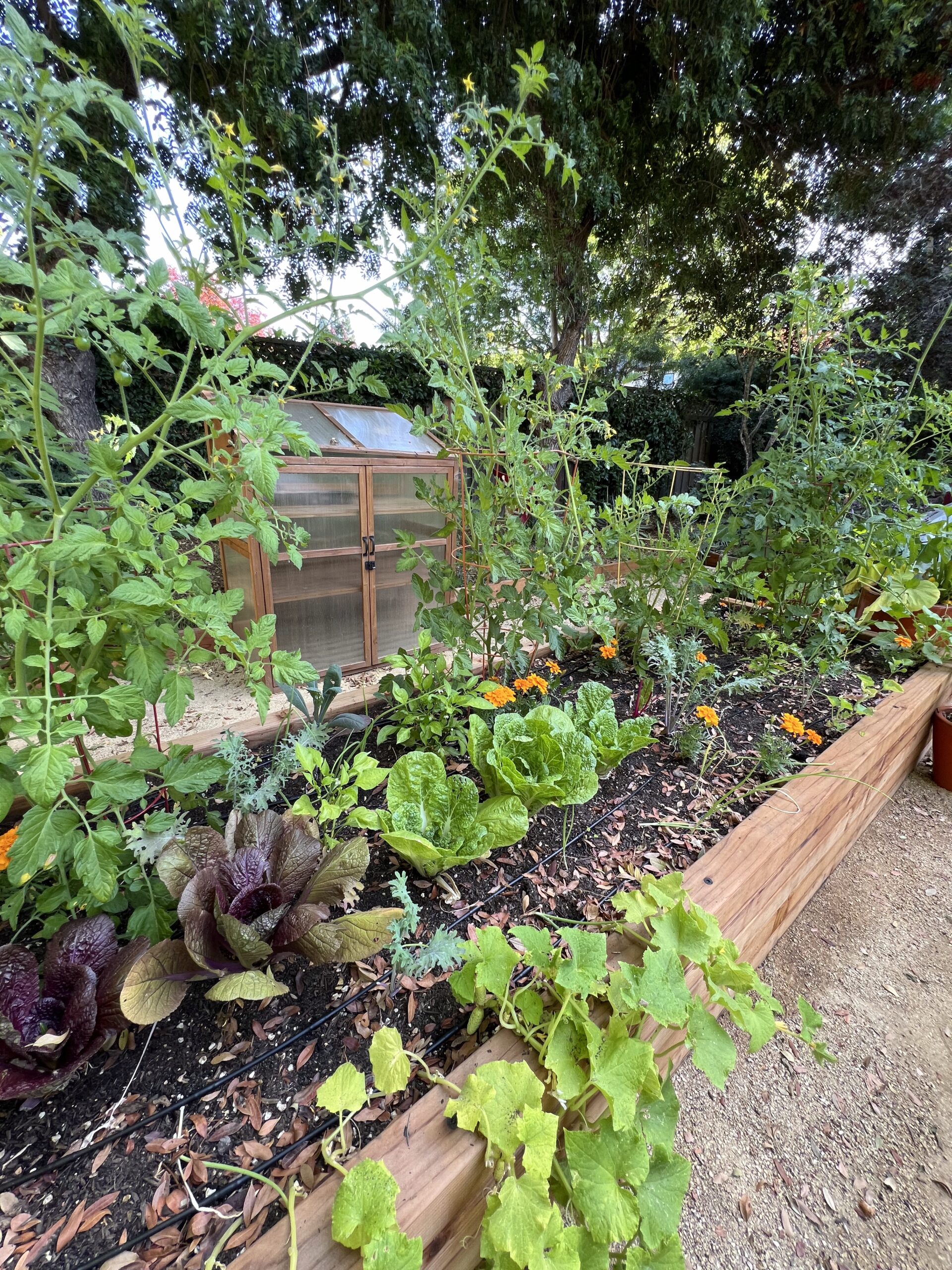
Sometimes the real glory of the mashed potatoes is not in the fluffy white. It’s not in the gravy filling the soft crater and Vesuviusing down onto the Pompeii of peas beside. It is tucked away in the forgotten skins not completely peeled off and adding a delightful taste and texture that were unintended but are now savored. Organic home gardening is much the same way. The adulations usually go to the royal broccoli crown, the vibrant carrot and beetroot, or the robust garlic head. A backyard garden provides a chance to eat not only the celebrated parts but also revel in the forgotten “skin” by enjoying parts of the plants that we perhaps were not aware were edible, and sadly are often not commercially available.
Much of gardening is waiting. Sow the pea and wait months until the first pod is picked. Plant the broccoli and wait until the head has fully formed. The best way to get through this tedious time is to eat your way through it.
The holiday season is here and time is running out to get the gardener on your list the perfect gift. Despite the extra week of shopping preparation, the window is quickly closing. Below is a list that gardeners from novice to expert are sure to love. These are not the novelty items that they will use once every three months, but tools they will find indispensable. All links go to Amazon for the sake of ease, but many of the items can be found at your local nursery!
Farmscape is seeking a part-time urban farmer for coastal Los Angeles south of the 10 freeway. We anticipate the position will grow to full-time work within a year.

Farmscape is an urban farming company in Los Angeles. We set up and tend intensive organic vegetable gardens, providing residents, restaurants and schools with the materials and ongoing support necessary for their garden to flourish. We are turning the city back into a farm one yard at a time.

On this blog we have talked quite a bit about local food but very little about local drinks. I’d like to change that. My motivation was NPR’s coverage of an urban vineyard in Paris that was created in the 1920s. It was a fascinating story and I encourage you to check it out.
The expert interviewed by NPR indicated that the wine sold for premium prices ($50 per half bottle) for novelty reasons and that the flavor of the wine was quite average. This makes sense given that differences in flavors of wine are produced by the distance between the vineyard and wine production, not the vineyard and the consumer. Wine, like beer and spirits, can age and be transported without substantial degradation of flavor (although the shelf life of some beers is not all that long).
Wine has a long history of being produced at the vineyard with careful attention being paid to how the terroir and geography impact its flavor. Appellation systems for identifying a wine’s geography date back to the Ancient Greeks.
Far less attention is paid to the locality of beer ingredients. After all, two of beer’s primary ingredients - malts and hops - are processed before being used in the brewing process. That is starting to change. In recent years, “wet hopped” and “harvest” beers have become increasingly popular. I’ll provide a bit of background in case these beer styles are new to you.