


Preparing Edible Gardens For Spring: Inside Farmscape’s Season Switch
 Matthew Geldin
In a Farmscape garden, spring begins long before the first tomato ripens.
Each March, our farmers begin preparing for what we call season switch — the transition from winter gardens to the warm-season crops that will carry gardens through spring and summer. It’s one of the most important moments in the garden year, requiring careful planning, coordination, and a tremendous amount of hands-on work in the field.
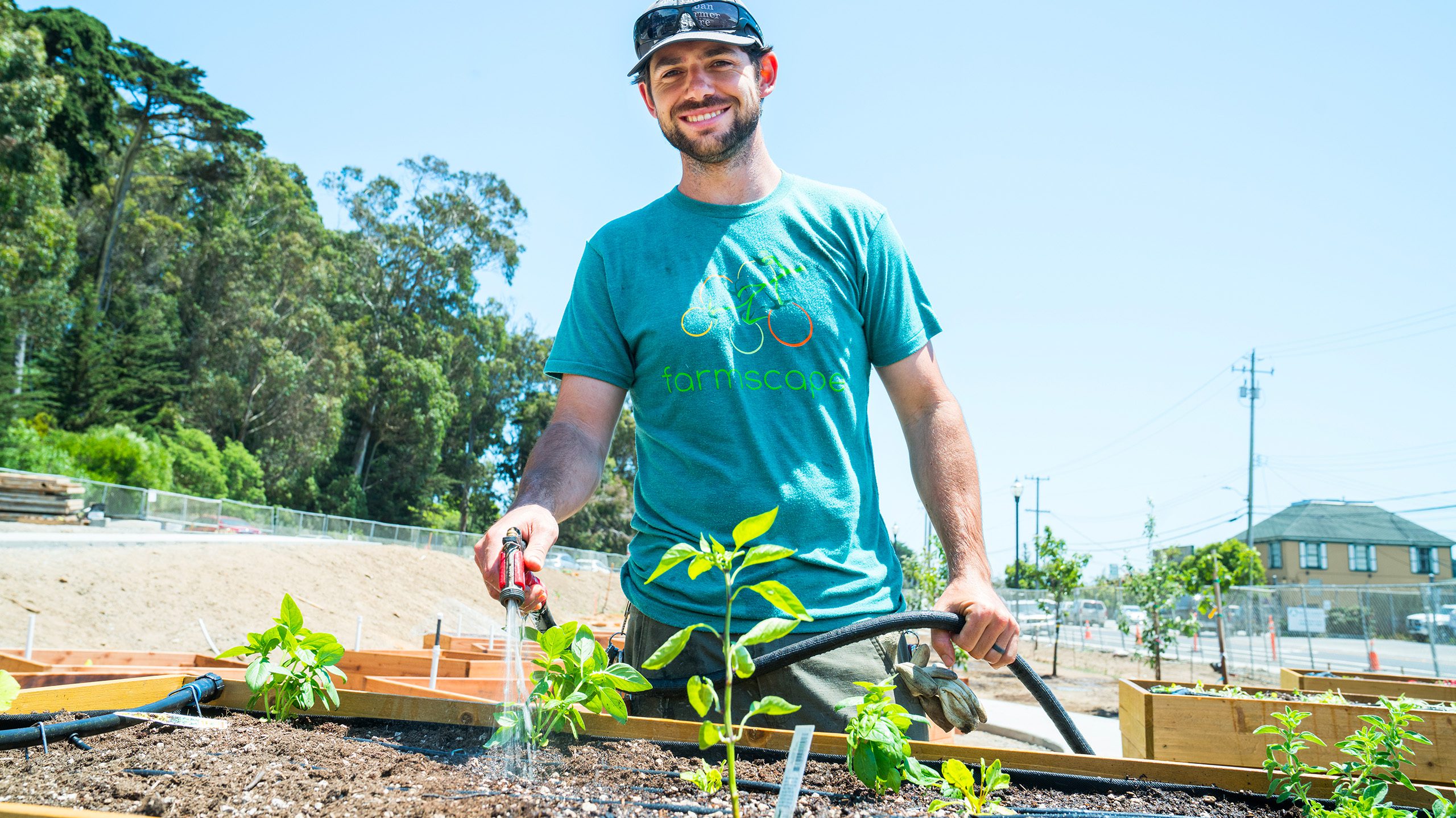
While the change in seasons may appear simple from the outside, the work happening behind the scenes ensures that each garden continues to thrive year after year.
The process begins with planning and preparation in March, followed by spring planting in April across Southern California and later in May and June in Northern California, where cooler temperatures extend the winter growing season.
WHAT HAPPENS DURING SEASON SWITCH
Behind every spring garden is a careful seasonal transition. During Farmscape’s season switch, our farmers:
- Plan the next season’s layout, ensuring crops like tomatoes, peppers, squash, and herbs have the space they need to grow.
- Clear and reset garden beds by removing winter crops and refreshing soil with compost and nutrients.
- Prepare irrigation and plant supports, setting up systems that help young plants establish and thrive.
- Plant warm-season crops that will carry gardens through spring and summer harvests.
These steps may happen behind the scenes, but they are essential to ensuring each garden begins the season healthy and ready to grow.
LOOKING BACK BEFORE MOVING FORWARD
Every garden has its own history.
Before planting begins, our farmers review how each garden performed in the previous season — which crops thrived, where pests may have appeared, and how different beds responded to weather and irrigation conditions. These insights help inform crop planning and planting decisions for the upcoming season.
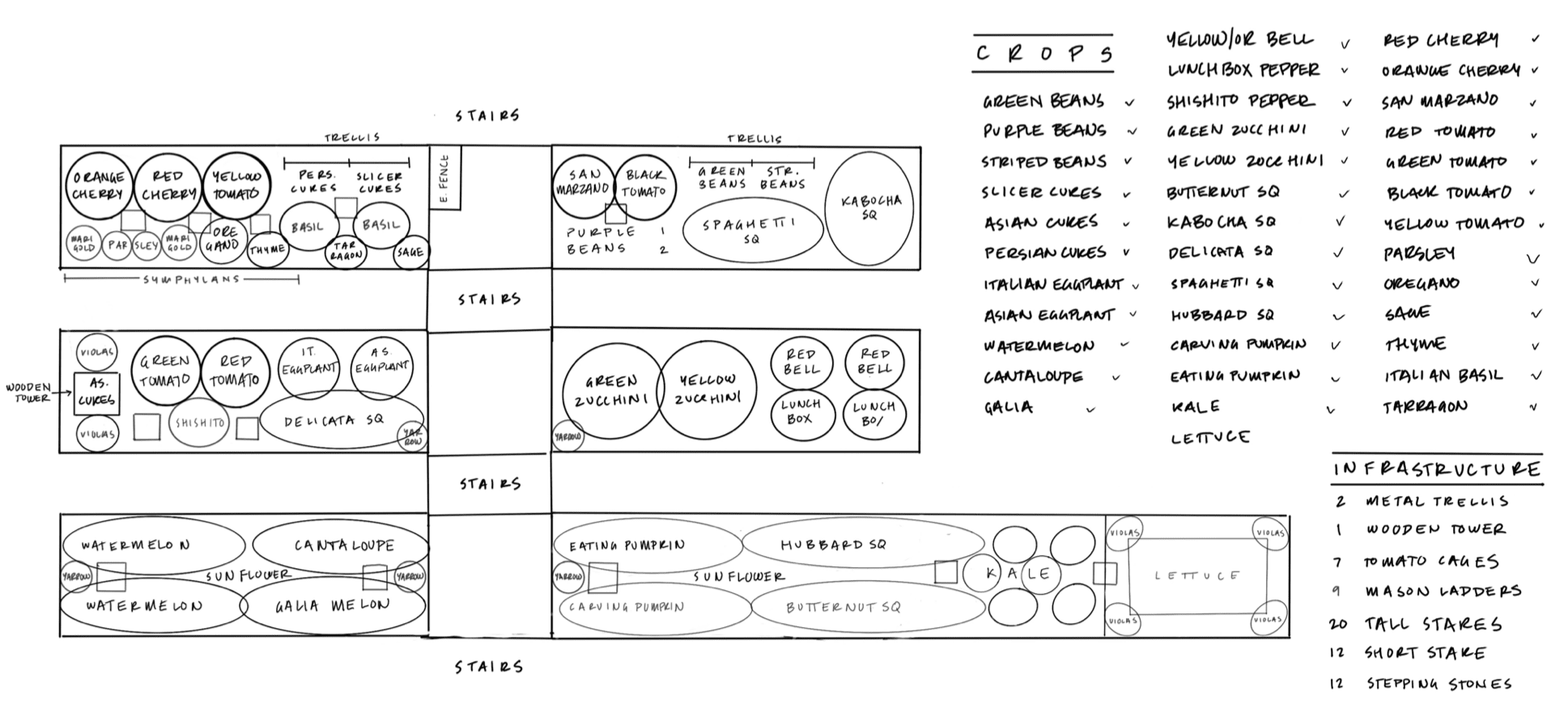
At the same time, our farmers work with clients to plan the next phase of their gardens. Spring gardens often include larger crops like tomatoes, peppers, squash, and melons, so thoughtful planning ensures plants have the space and support they need to grow.
This planning stage helps set the foundation for a productive and enjoyable garden in the months to come.
RESETTING THE GARDEN
Once winter crops have finished their cycle, the process of resetting the garden begins.
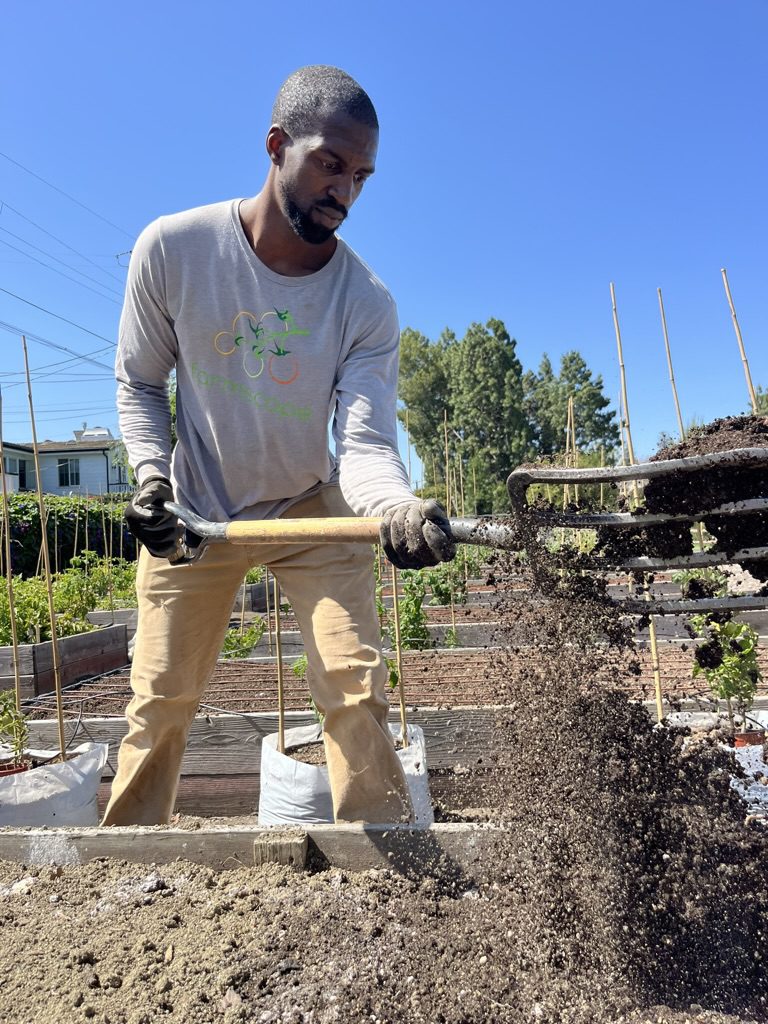
Beds are cleared of spent plants and refreshed with compost and soil amendments to replenish nutrients after months of production. Healthy soil is the foundation of a thriving garden, and restoring that balance is one of the most important steps before new crops are planted.
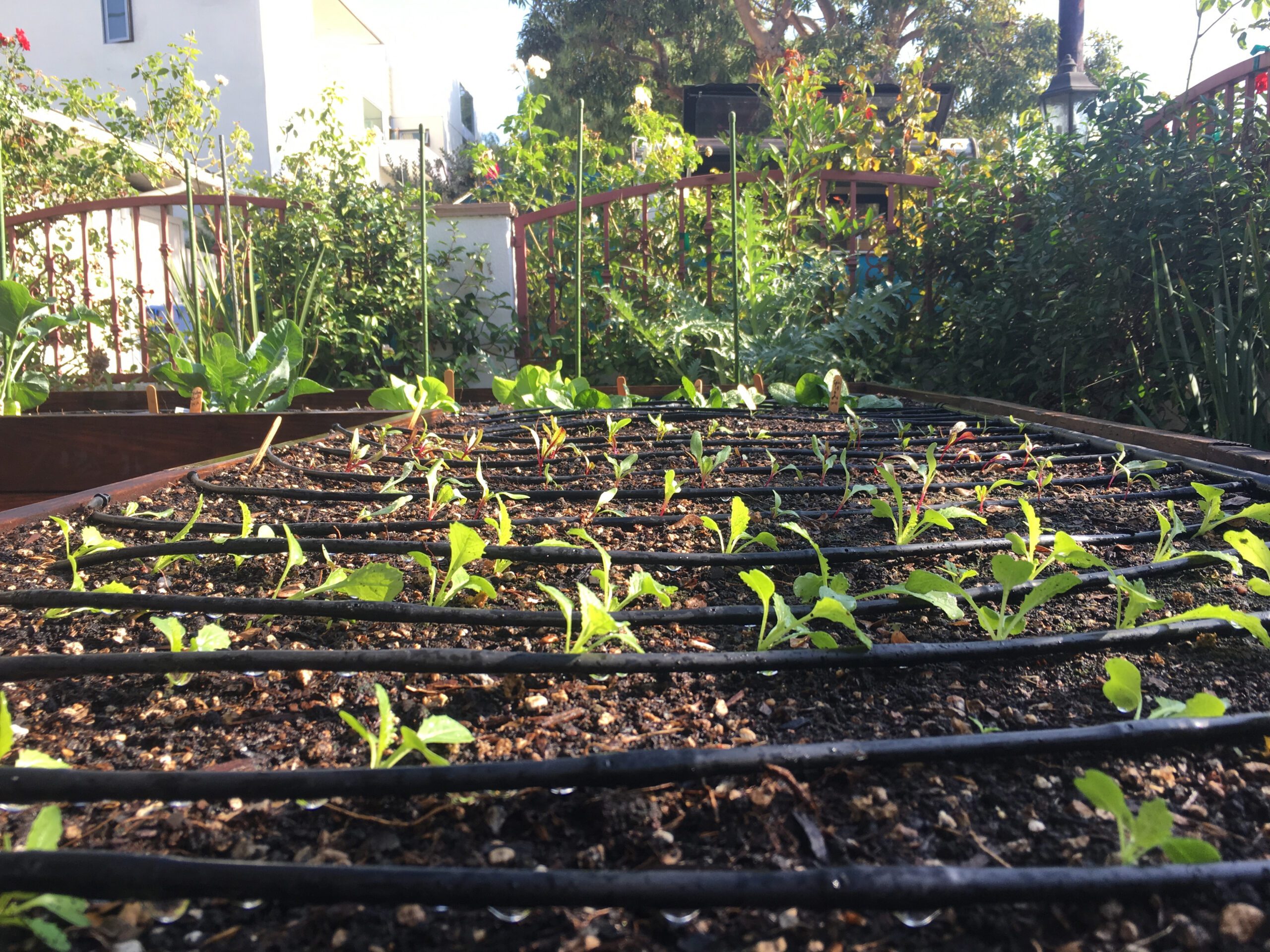
Irrigation systems are also checked and adjusted during this time. Proper watering is essential to establishing young plants, and careful irrigation management ensures gardens receive the right amount of moisture as temperatures begin to warm.
PLANTING THE NEXT SEASON
With beds prepared and temperatures beginning to rise, the first warm-season crops start to go into the ground.
Tomatoes, peppers, eggplants, herbs, and other summer favorites are carefully planted and fertilized to support strong early growth. Many of these crops will produce for months, so establishing healthy plants early in the season is essential.
Farmers also thin young seedlings and adjust plant spacing to ensure each crop has room to mature and produce abundant harvests.
A SEASON OF NEW GROWTH
Season switch represents weeks of focused effort across Farmscape’s gardens, combining thoughtful planning, horticultural expertise, and hands-on work in the field to set each garden up for success.
While much of this work happens behind the scenes, it’s what keeps our gardens productive, beautiful, and seamlessly integrated into everyday life.
As spring planting begins, we’re grateful for the farmers who steward these spaces and help them thrive season after season.
LET’S GET STARTED
Interested in creating a productive garden at your home or community?
Farmscape designs, installs, and maintains edible landscapes that bring fresh food and seasonal beauty into everyday life. Our team works with homeowners, communities, and developers to create gardens that thrive year after year.