


Altadena Fire Restoration: Rebuilding Resilience Through Design
 Dan Allen
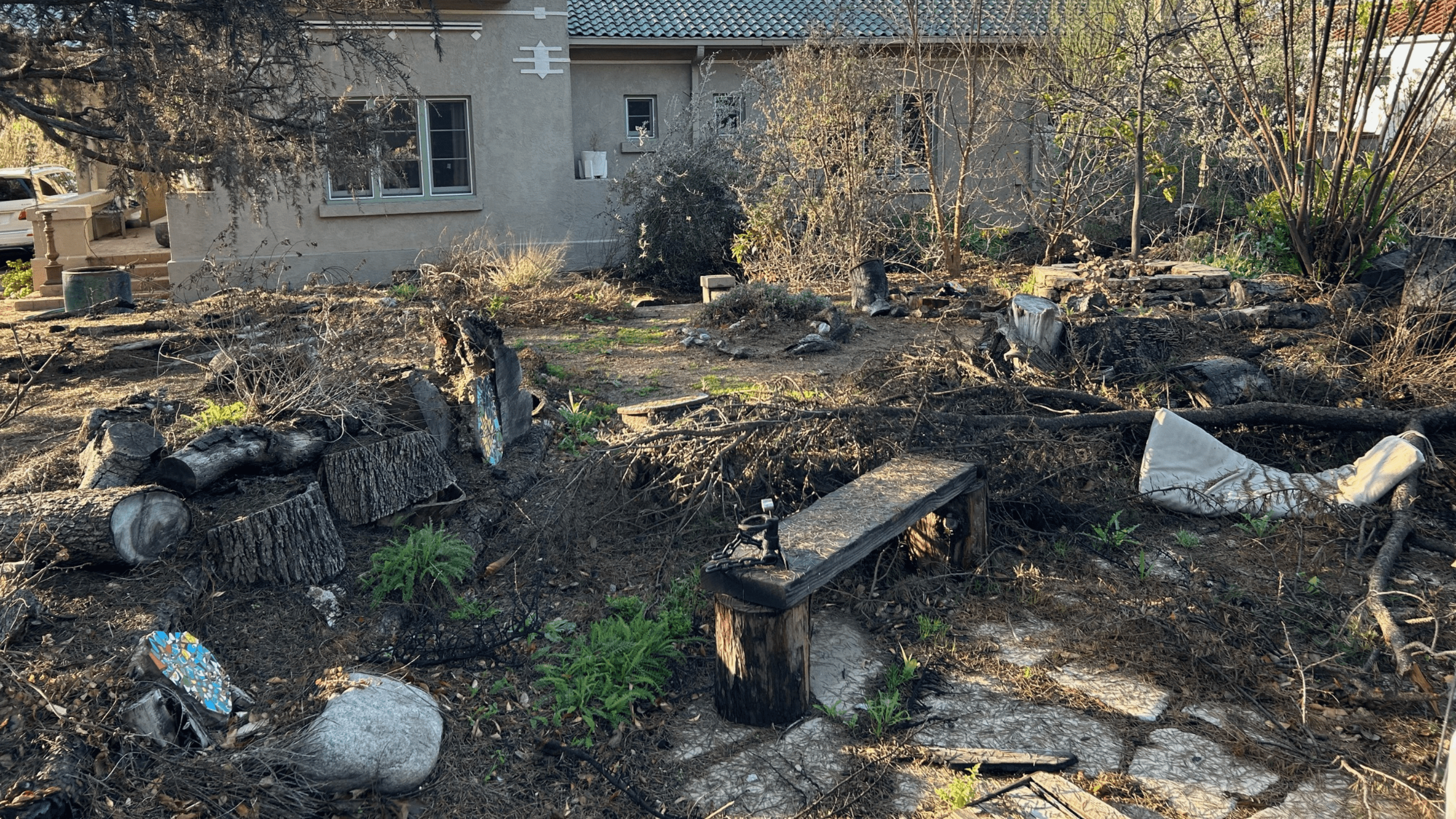
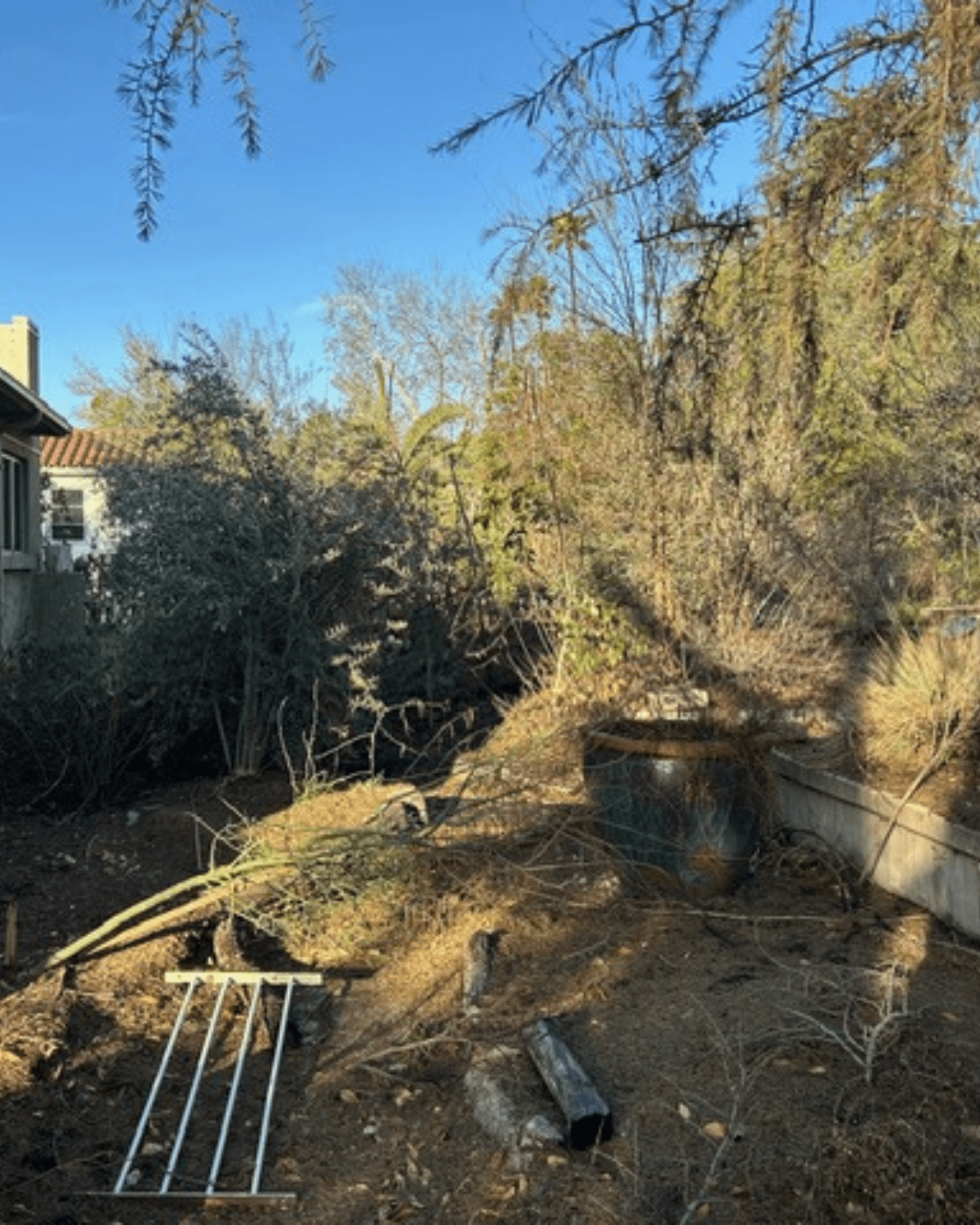
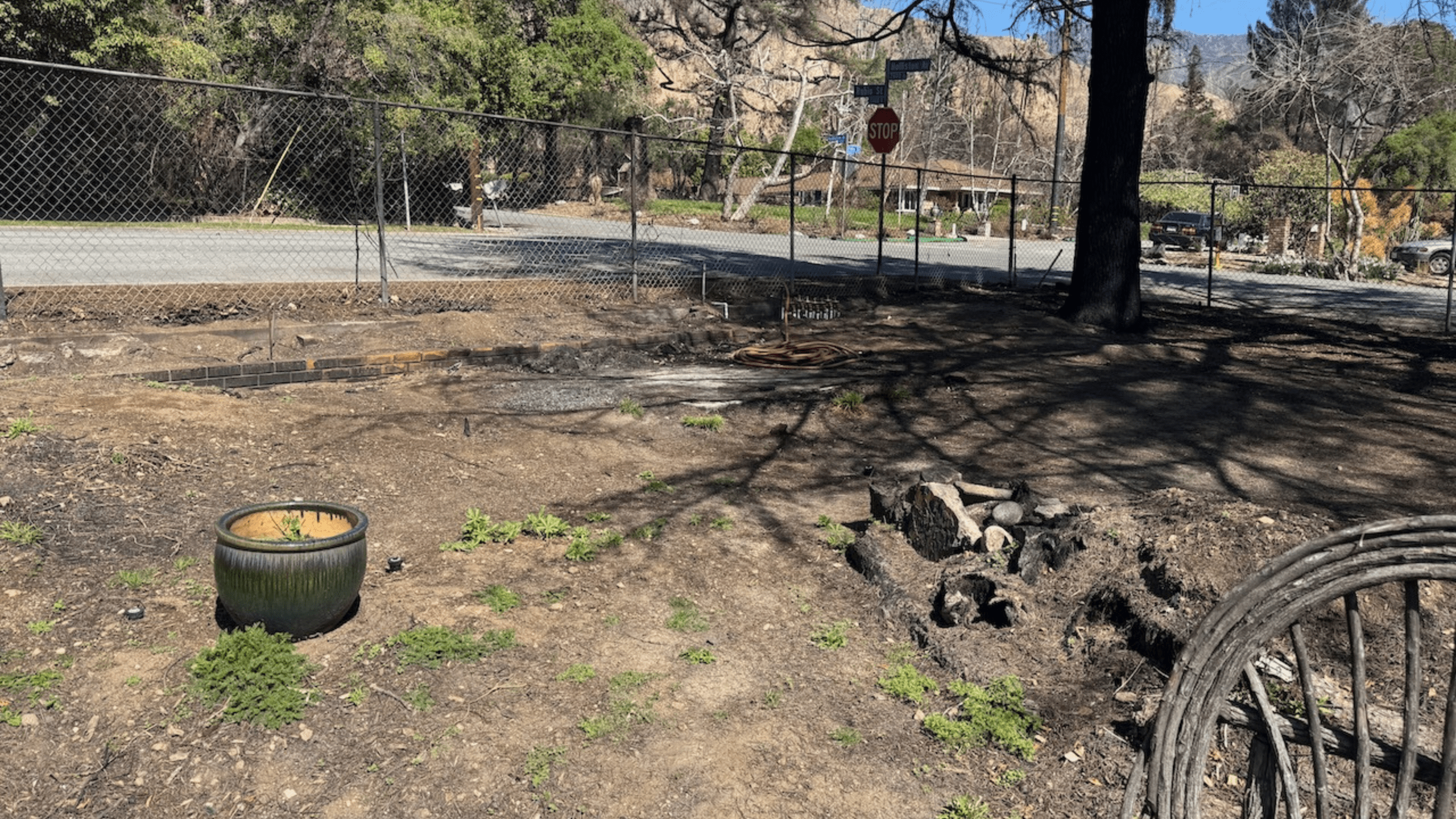
The fire in Altadena last January left a lasting mark — homes were lost, and much of the foothill community’s rich landscape was reduced to ash. Yet from that devastation came an opportunity to rebuild and restore both the community and its land.
This project, nestled in a quiet Altadena neighborhood east of Lake Avenue, embodies that renewal. Though half of the property burned, the home itself remained standing — one of the few on the block to survive.
A Personal Connection
The original landscape design was created for the home’s previous owner by Studio Petrichor, an Altadena-based firm that was also impacted by the fire. Honoring their original creative vision was essential — both to the client’s goals and to our intention as we replanted the landscape.
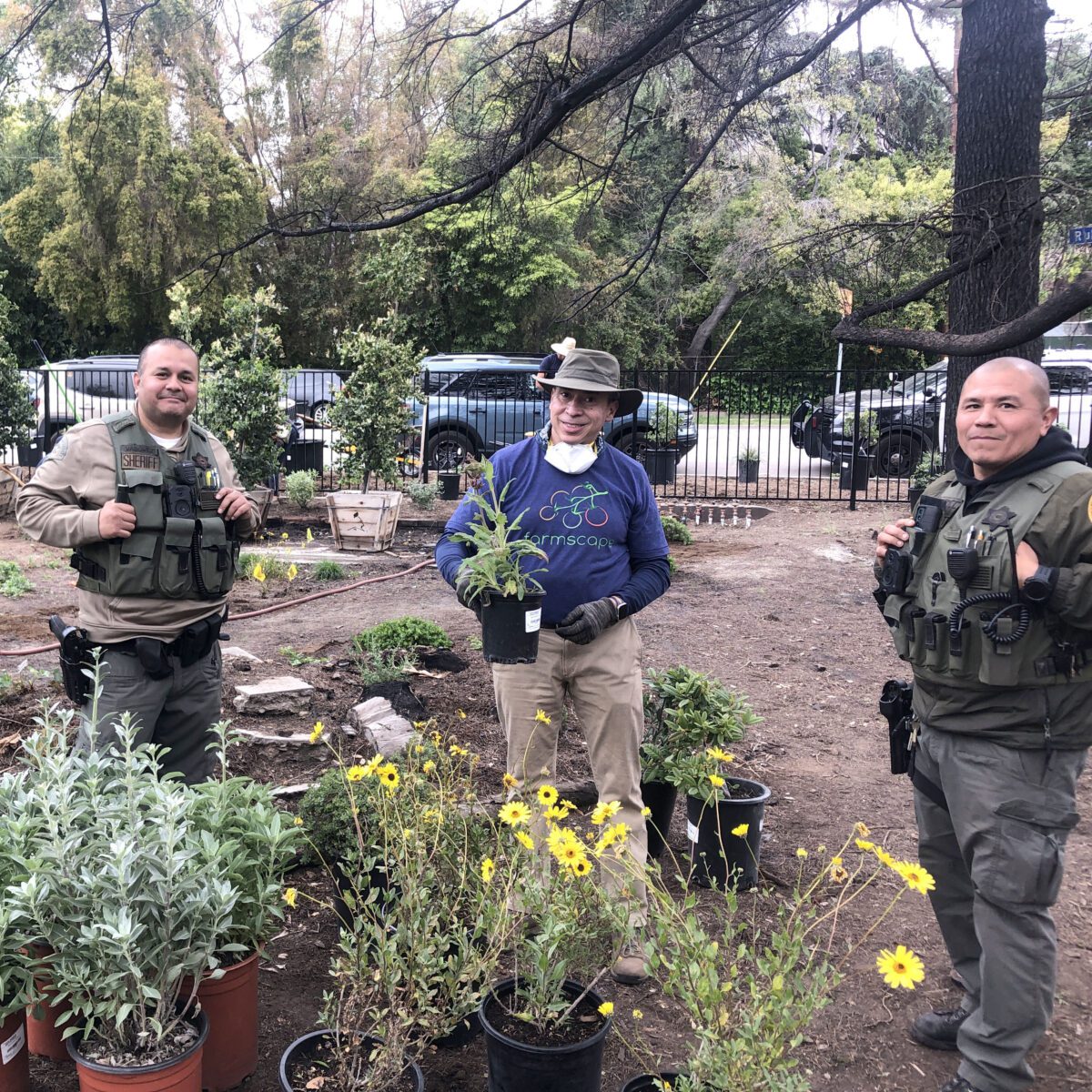
For me, this project carried special meaning. Having lived in Altadena and Pasadena for several years, I know this community well. Farmscape has worked on homes in the neighborhood for more than a decade, including two whose owners lost their houses in the fire. Returning to restore this landscape was deeply personal.
Restoring What Remains
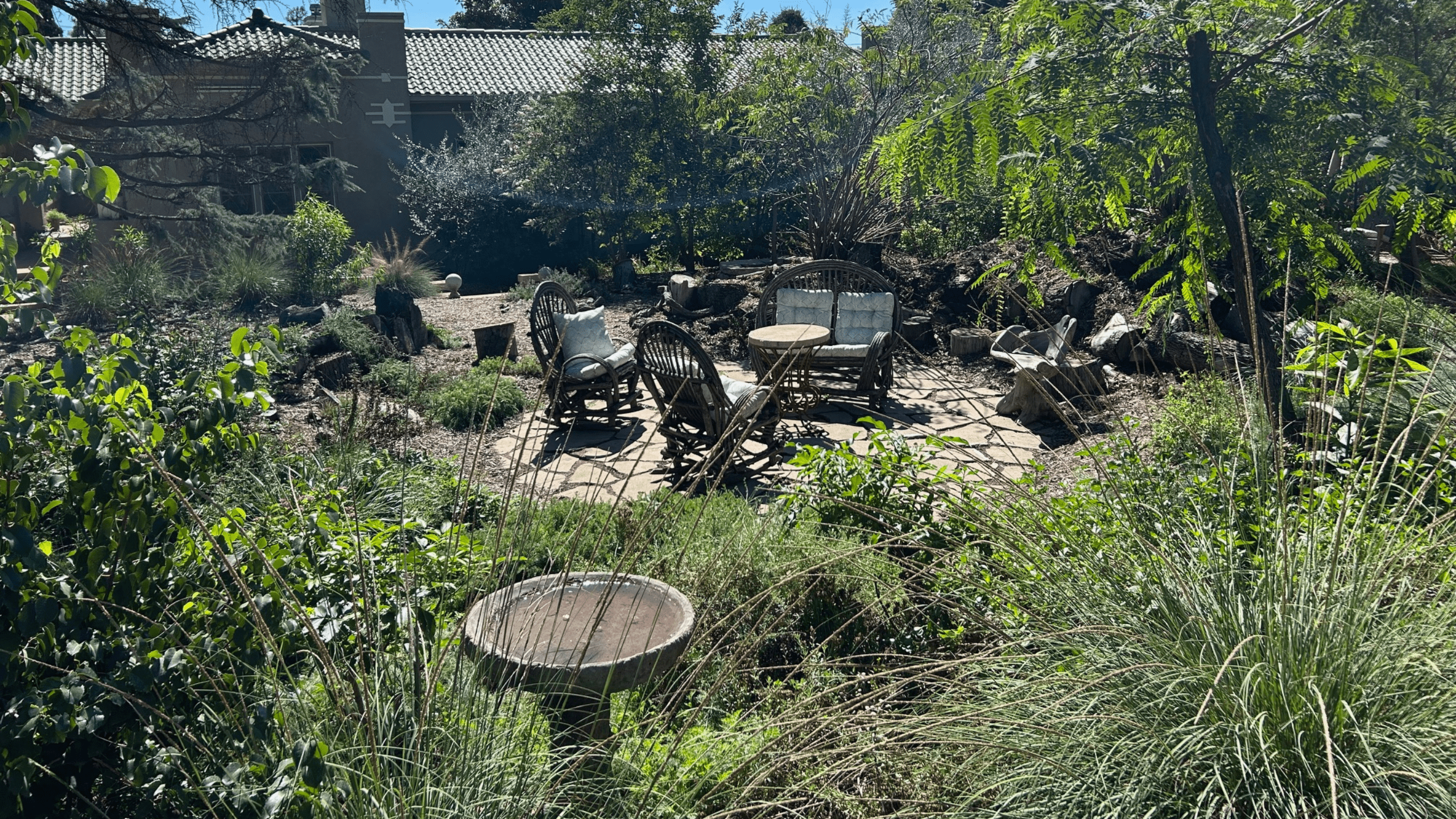
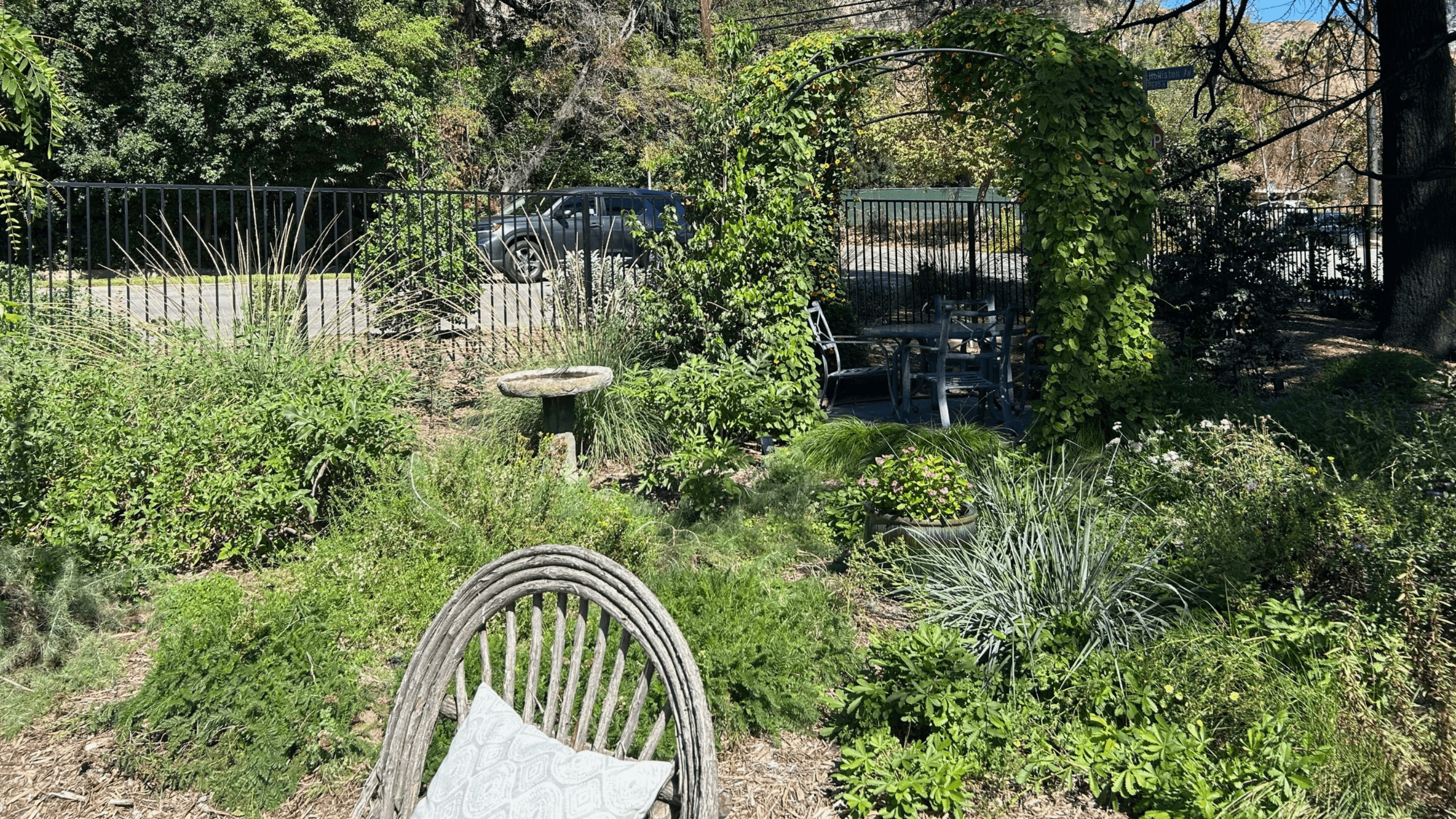
In developing the new landscape design, we referenced photography from before the fire while carefully considering the unique context of being one of the few remaining homes on the block. The goal was not to overwrite what existed, but to rebuild in a way that felt grounded, familiar, and responsive to the site’s history.
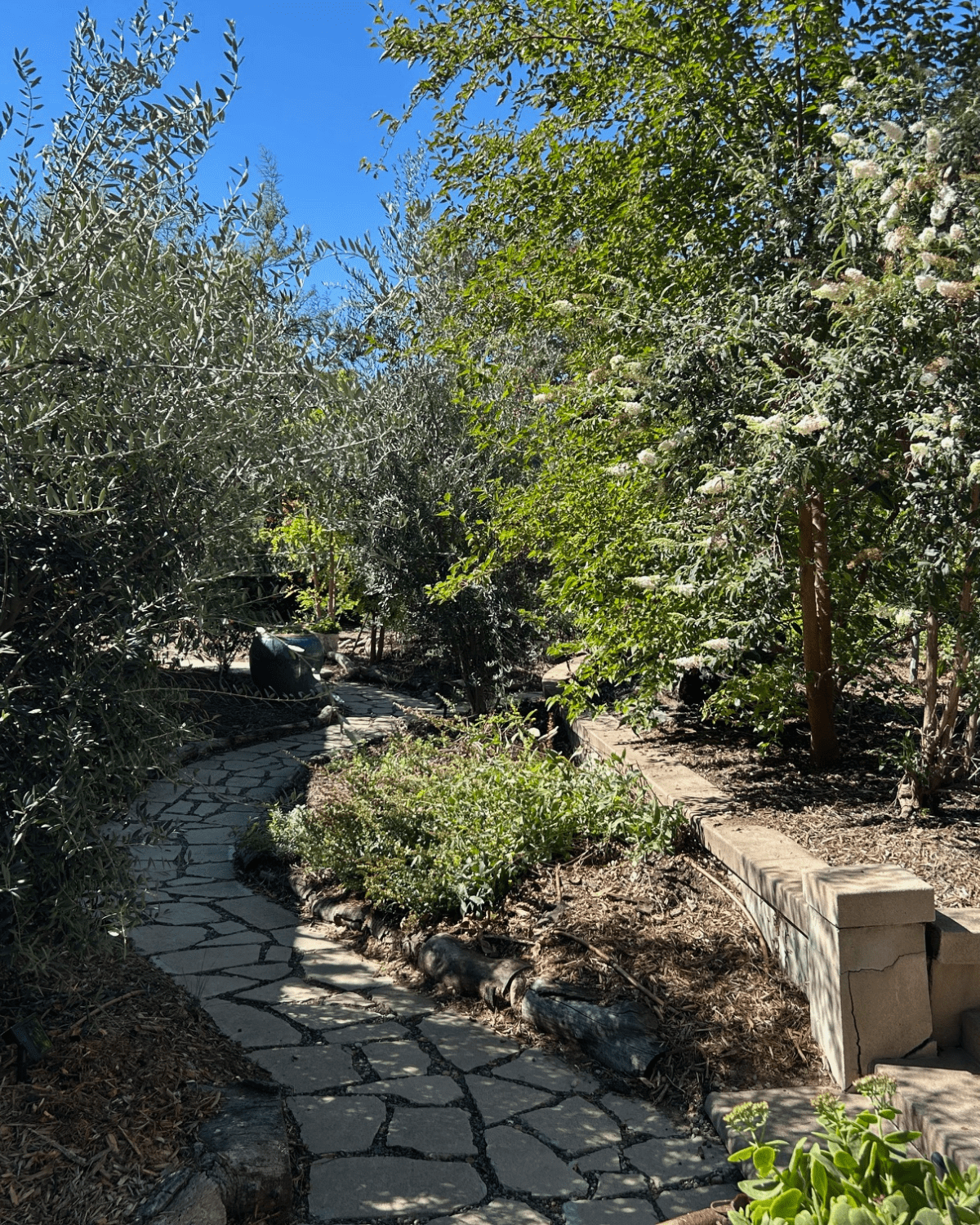
To guide the restoration, our team created a schematic design for the front yard that prioritized continuity and natural movement through the space. Rather than introducing rigid new pathways, we focused on re-establishing circulation by planting into previously mulched areas — subtly defining paths while maintaining the informal, organic feel of the landscape.
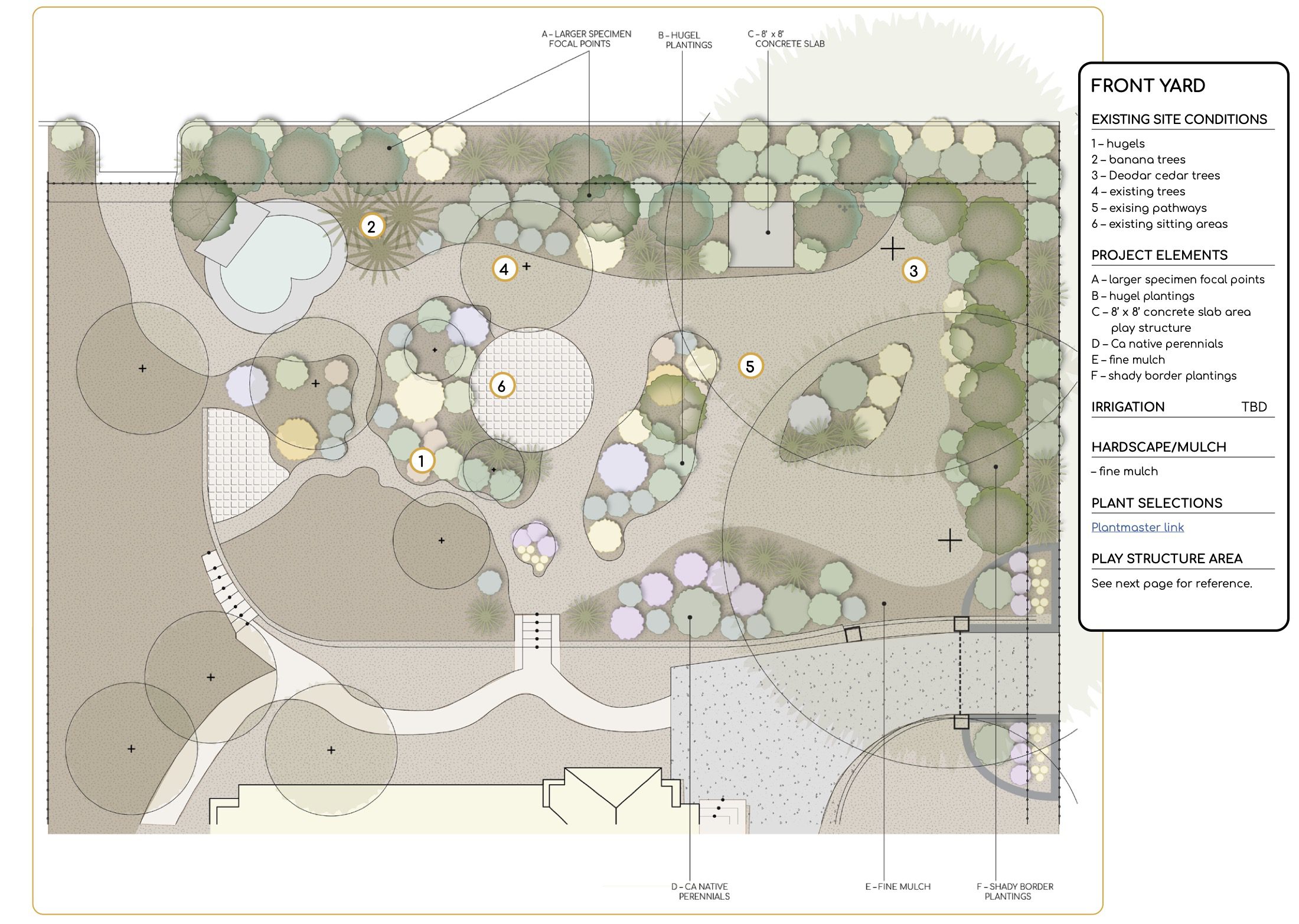
The design emphasizes layered plantings of shrubs and small trees along the north side of the property, providing privacy without the “walled garden” effect of a formal hedge. This approach softens the property’s edges while preserving a sense of openness and connection to the surrounding neighborhood. Existing hugelkultur mounds (“hugels”) were preserved and replanted, reinforcing both ecological function and continuity with the site’s original landscape character.
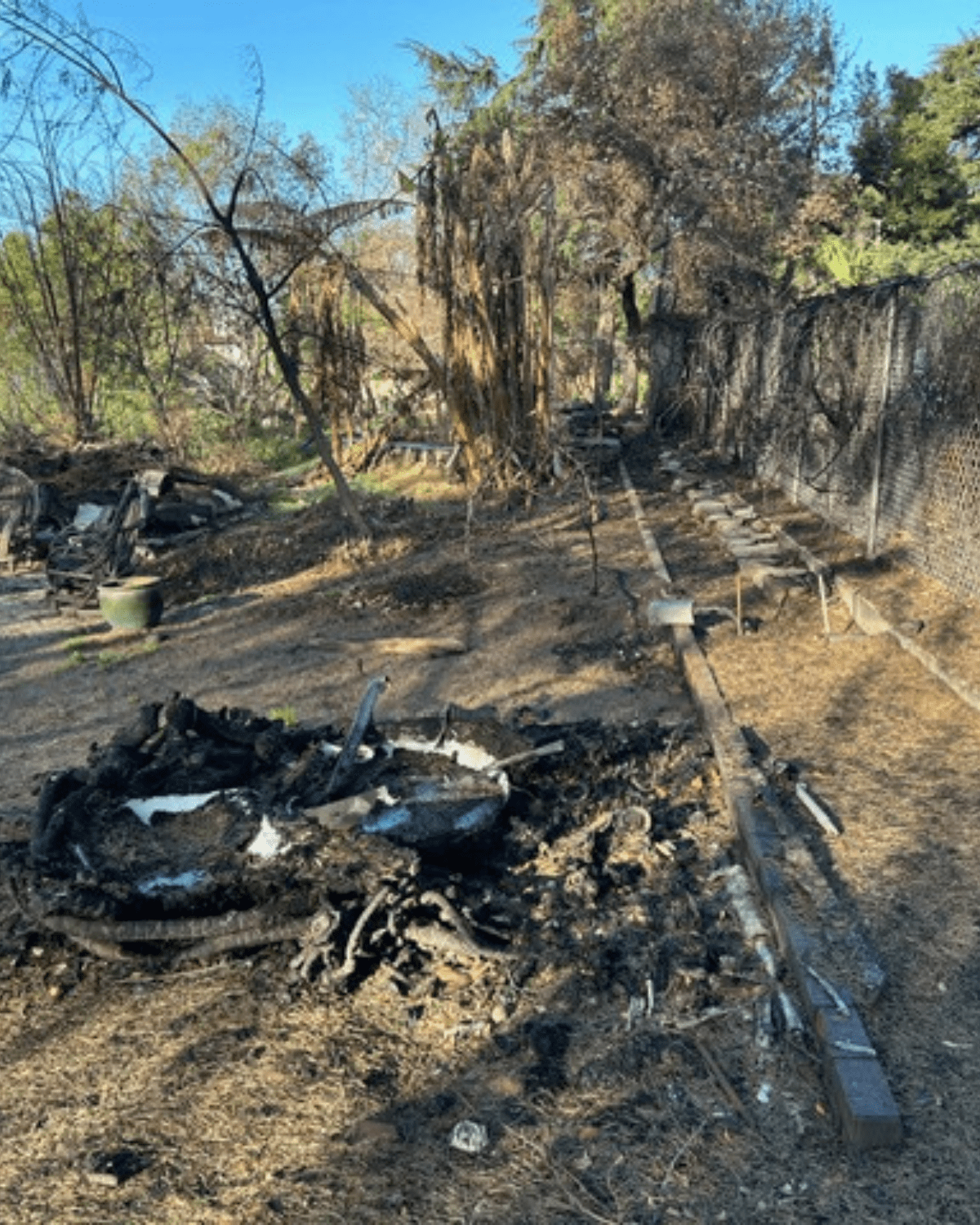
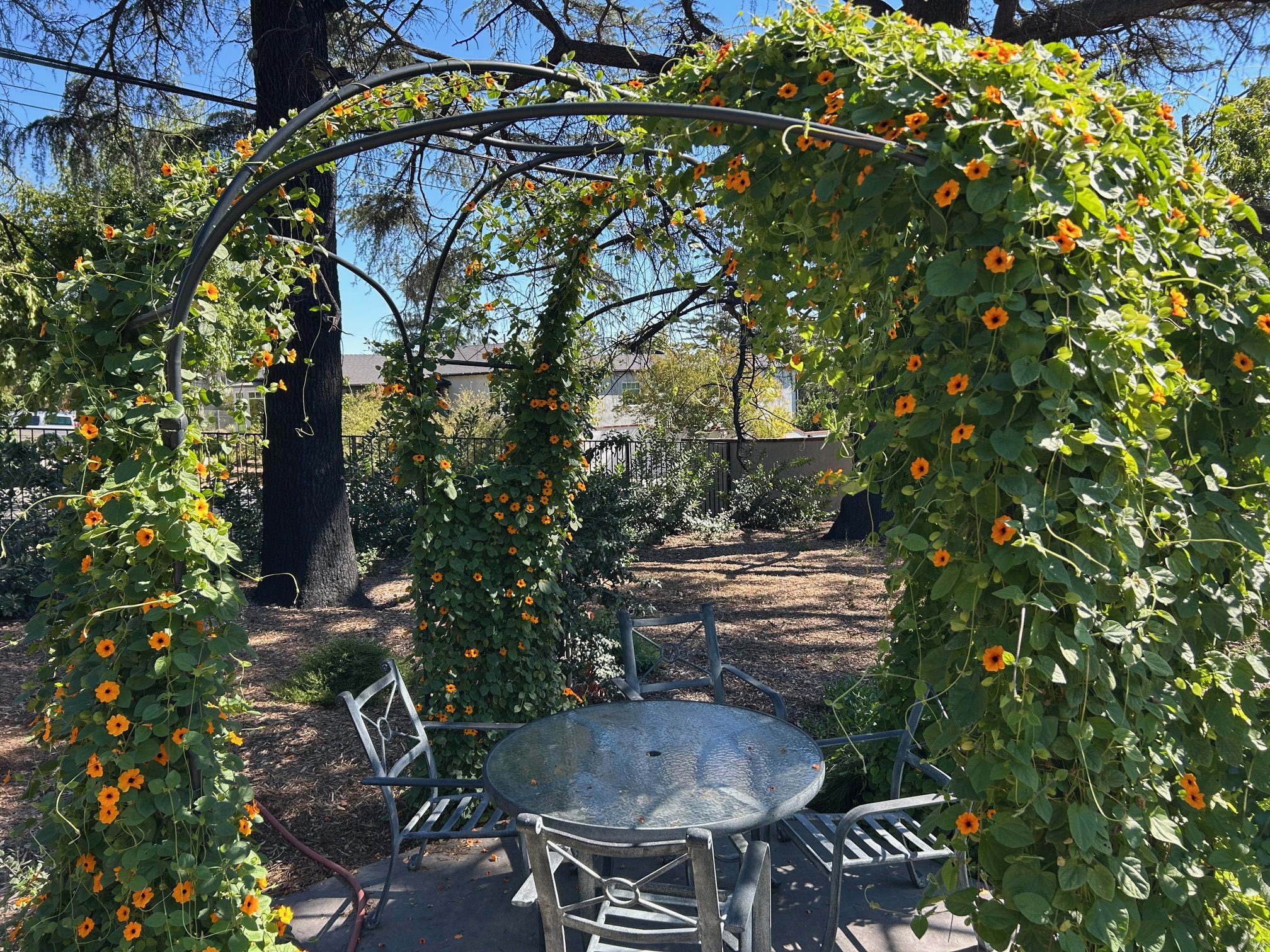
Even areas most visibly impacted by the fire were given new purpose. A concrete pad where a hot tub once burned was transformed into a shaded seating and play area — an adaptable space that supports daily life while offering a quiet focal point within the garden. Throughout the design, fine mulch and native, climate-adapted plantings help blur the boundaries between path, planting, and gathering space, creating a front yard that feels gently reshaped rather than fully redesigned.
Resilience in Bloom
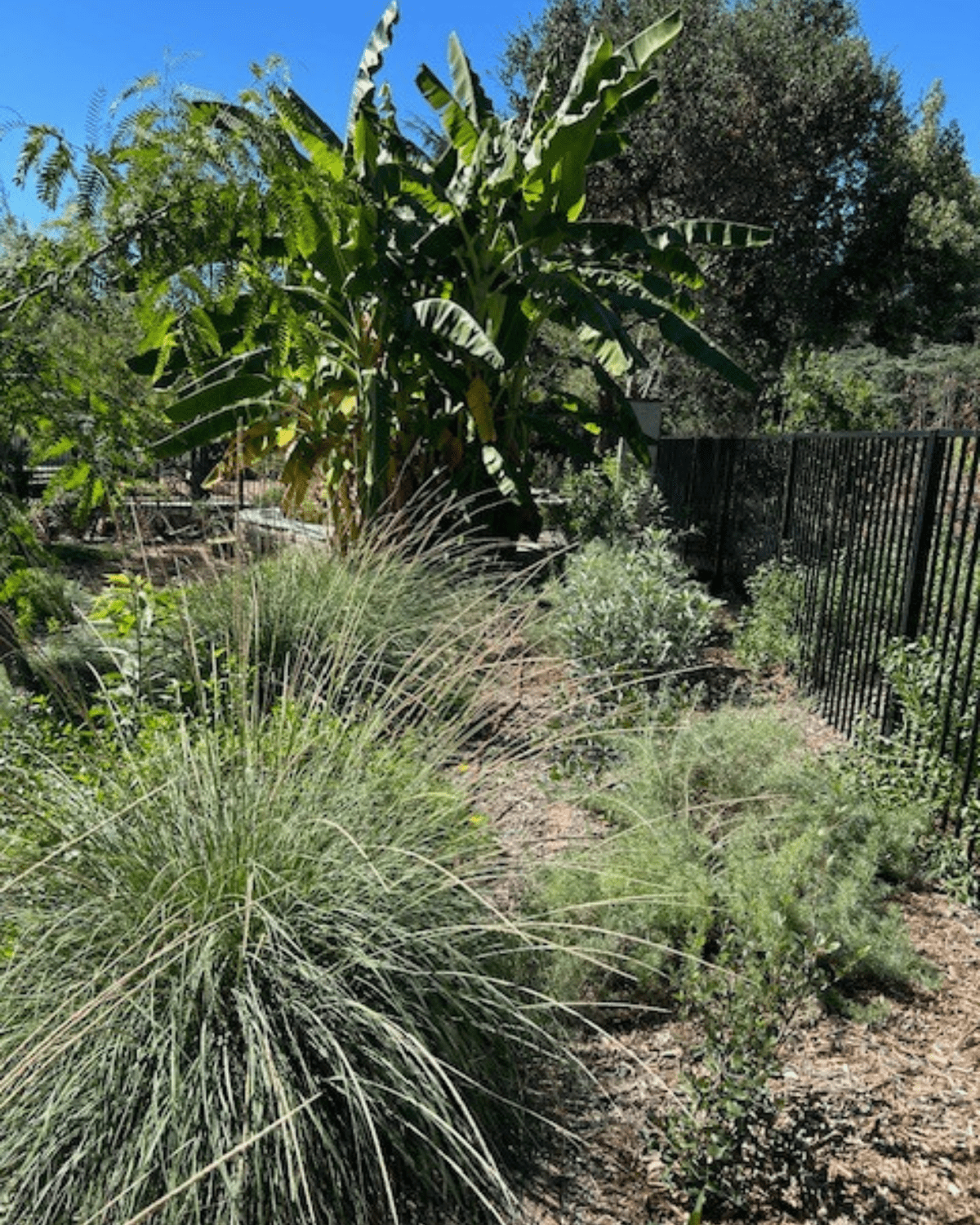
Nature’s resilience guided the restoration. In the weeks following the fire, signs of life began to reemerge: banana, elderberry, butterfly bush, and pomegranate trees pushed out new growth. These survivors — native and climate-adapted species alike — now form the backbone of the renewed landscape.
The resulting garden feels both familiar and new: a balance of restoration and regeneration. It honors what was lost, celebrates what endured, and offers hope for what’s next.
Ready to reimagine what your landscape can become?
Whether you’re restoring after loss or starting fresh, our team designs landscapes rooted in resilience, beauty, and long-term living.