


Seeing the Full Cycle: A Maintenance Perspective on Recycled Water
 Shaylin Usiak
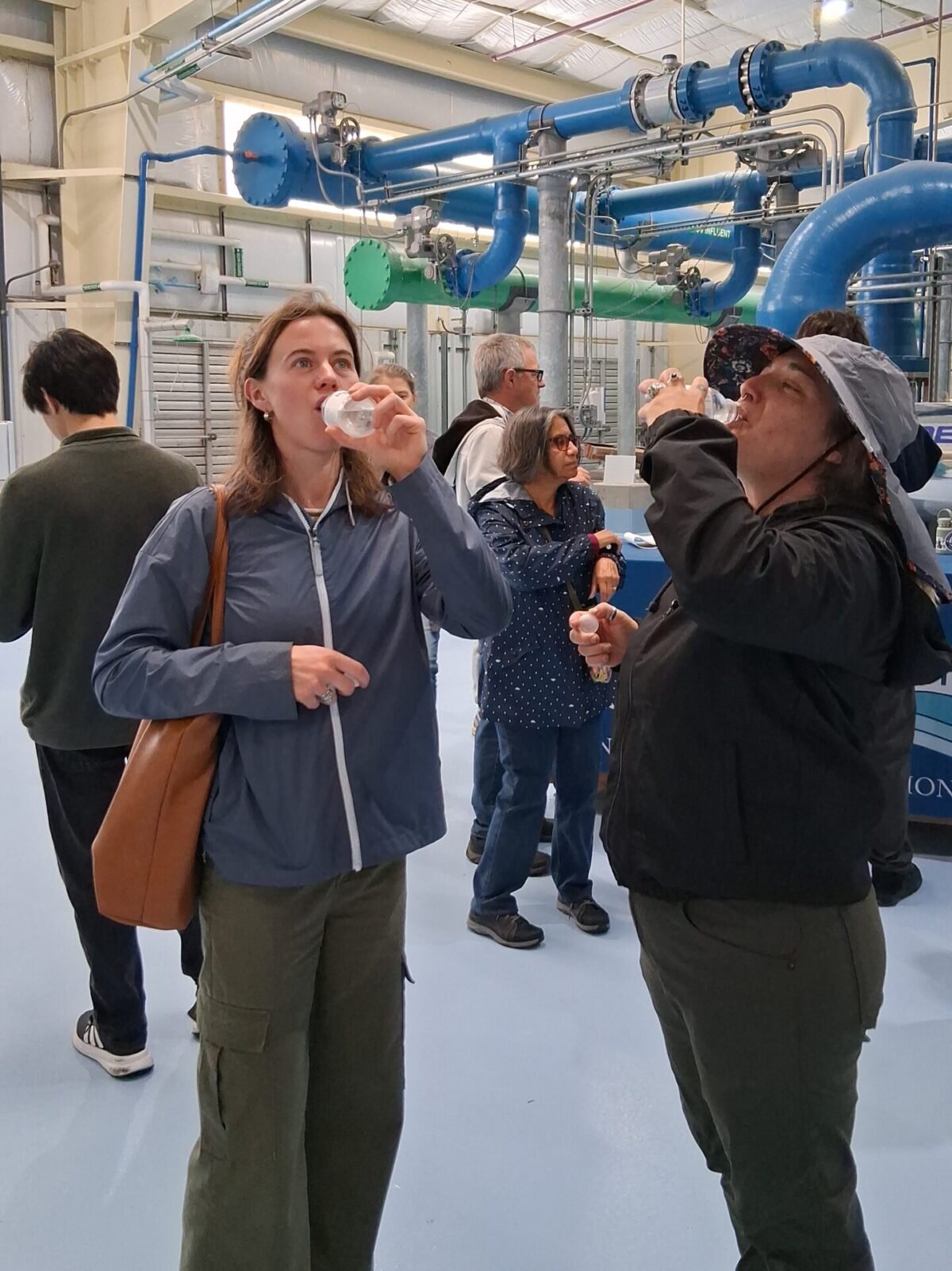
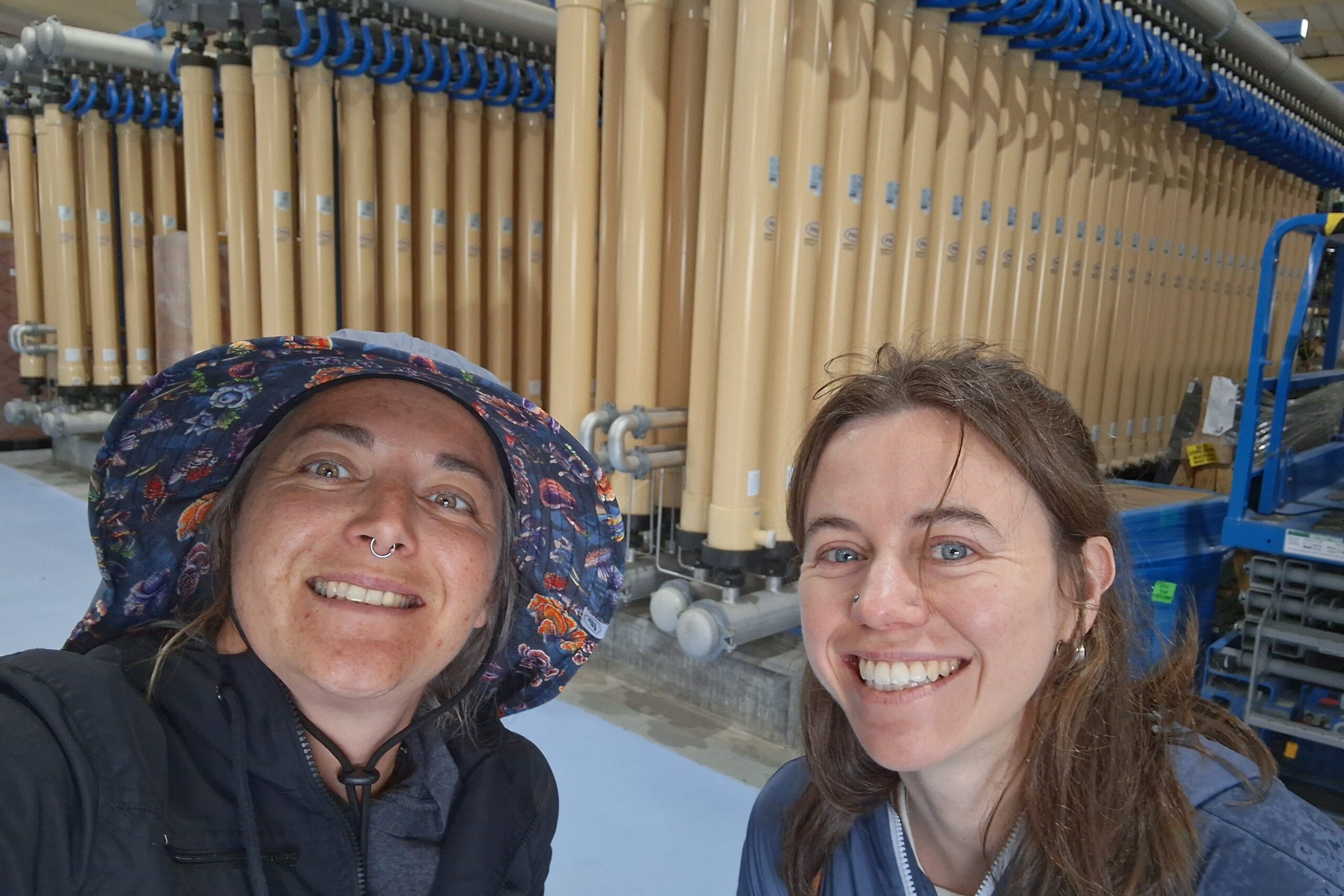
I recently had the opportunity to visit the Silicon Valley Advanced Water Purification Center alongside our Account Manager, Maddy Fisher. As a Maintenance Manager, I spend most of my time focused on the health and performance of our landscapes—irrigation systems, plant vitality, and long-term site sustainability. This visit gave me a chance to step back and better understand one of the most important inputs we work with every day: water.
UNDERSTANDING WHAT WE’RE REALLY USING
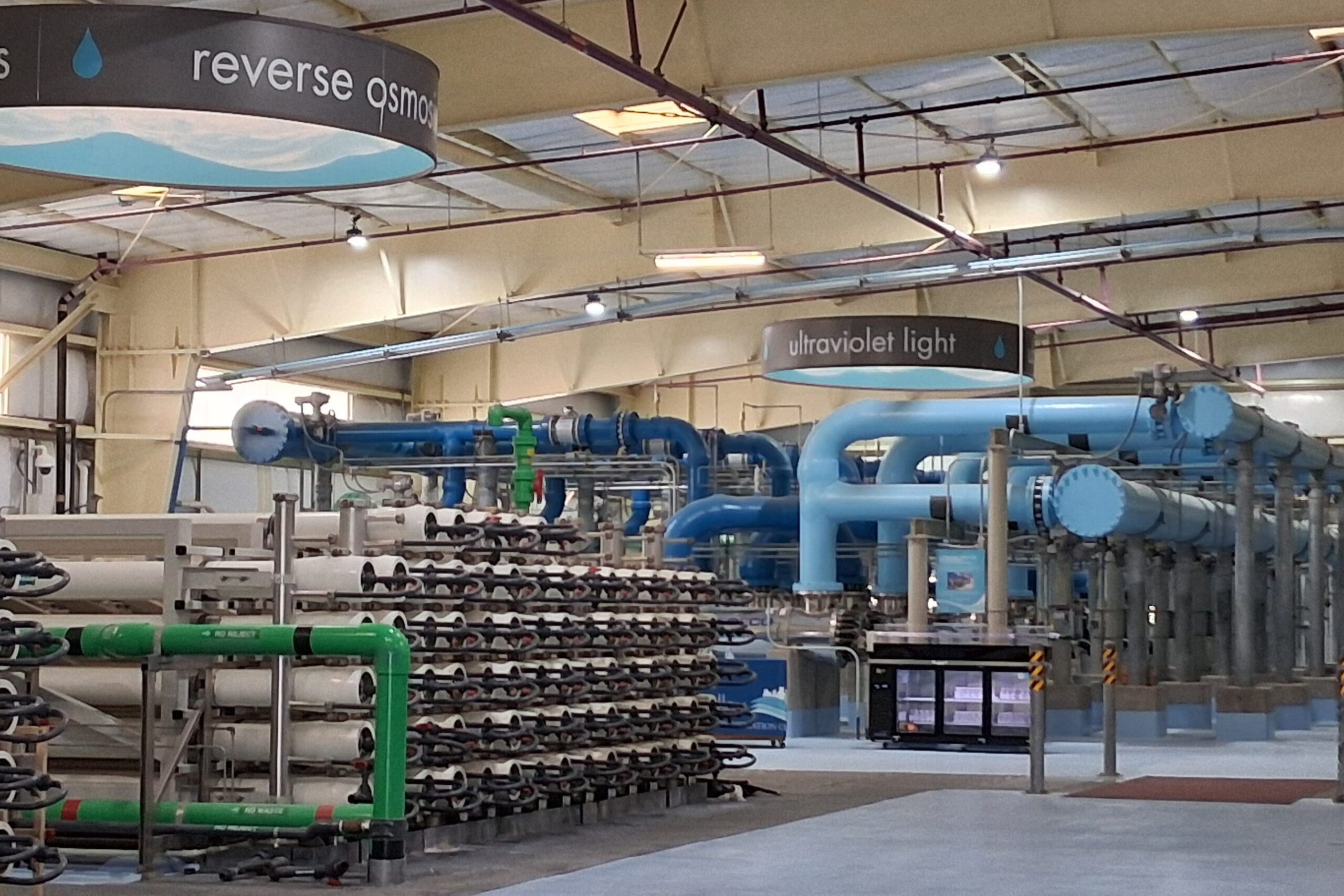
Across many of the corporate campuses we maintain in the South Bay, recycled water is our primary irrigation source. At the purification center, I was able to follow that water through its full transformation—from wastewater to a highly treated, usable resource.
The process is thorough and intentional:
- Microfiltration removes fine particles and microorganisms
- Reverse osmosis filters out dissolved salts and impurities
- UV light provides final disinfection
Seeing each of these steps firsthand built a new level of confidence in the quality and consistency of the water we’re applying on-site. It’s not just “reused” water—it’s carefully engineered for safe, reliable use.
CONNECTING INFRASTRUCTURE TO THE LANDSCAPE
From a maintenance perspective, that connection matters. Understanding the source and treatment process helps inform how we manage irrigation, monitor plant health, and troubleshoot issues in the field. It adds context to what we’re seeing on-site and allows us to be more precise in our approach.
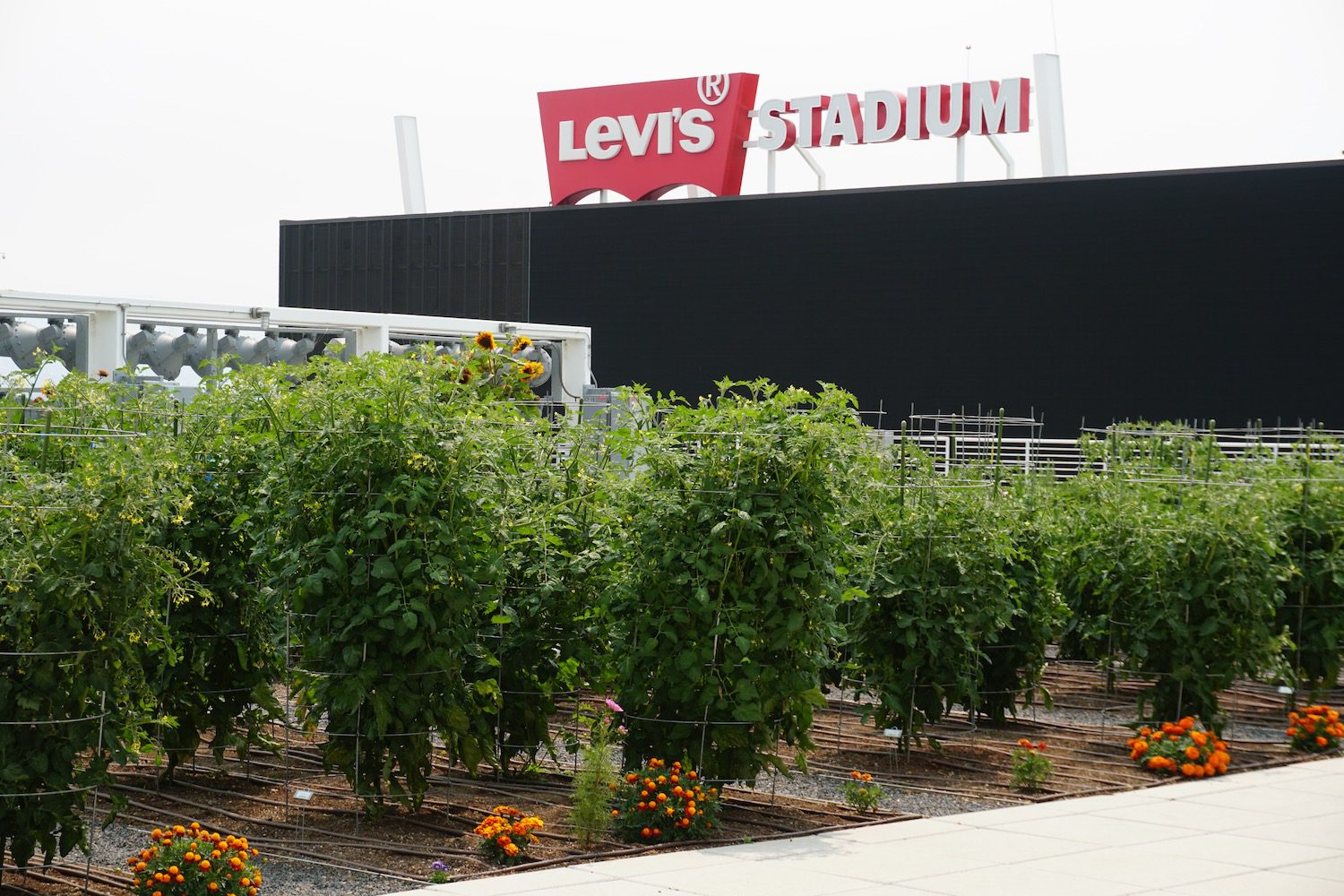
What stood out to me most was how directly this system connects to our day-to-day work. The same recycled water produced at this facility is what we use to irrigate native landscapes across corporate campuses—and even the edible crops we maintain at Levi’s Stadium.
CONSERVATION AT SCALE
One of the biggest benefits of recycled water is its role in conserving natural resources. By using this system, we’re reducing our reliance on California’s snowpack and groundwater—both of which are increasingly limited and unpredictable.
That’s something I see as a major advantage. It means the landscapes we maintain are not only functioning well, but also contributing to a more sustainable water system overall.
OBSERVING PLANT RESPONSE
Another interesting takeaway was how recycled water interacts with the plants themselves. Maddy pointed out that the water often contains trace minerals, including potassium, which can support plant health.
In the field, we’re already seeing strong performance in many of our native plantings. Knowing that the irrigation water may be contributing to that resilience adds another layer to how we understand these systems.
A SHIFT IN PERSPECTIVE
Before this visit, I understood recycled water as a practical solution—something we use because it’s available and efficient. After seeing the full process, I see it differently. It’s a highly refined resource that’s part of a much larger effort to close the loop on water use.
By the end of the tour, I felt completely comfortable with the idea of using recycled water not just for ornamental landscapes, but for crop production as well. Seeing the level of treatment and quality control firsthand made that clear.
MOVING FORWARD
Experiences like this help bridge the gap between infrastructure and implementation. As someone responsible for maintaining healthy, productive landscapes, that perspective is invaluable.
It reinforces that good maintenance isn’t just about what we do on-site—it’s about understanding the systems behind it, and using that knowledge to make better decisions every day.
And in this case, it’s clear: recycled water isn’t just a sustainable option—it’s a reliable and effective one.
Interested in how sustainable water systems can support your landscape?
Let’s talk about how we design and maintain landscapes built to perform—today and long term.